
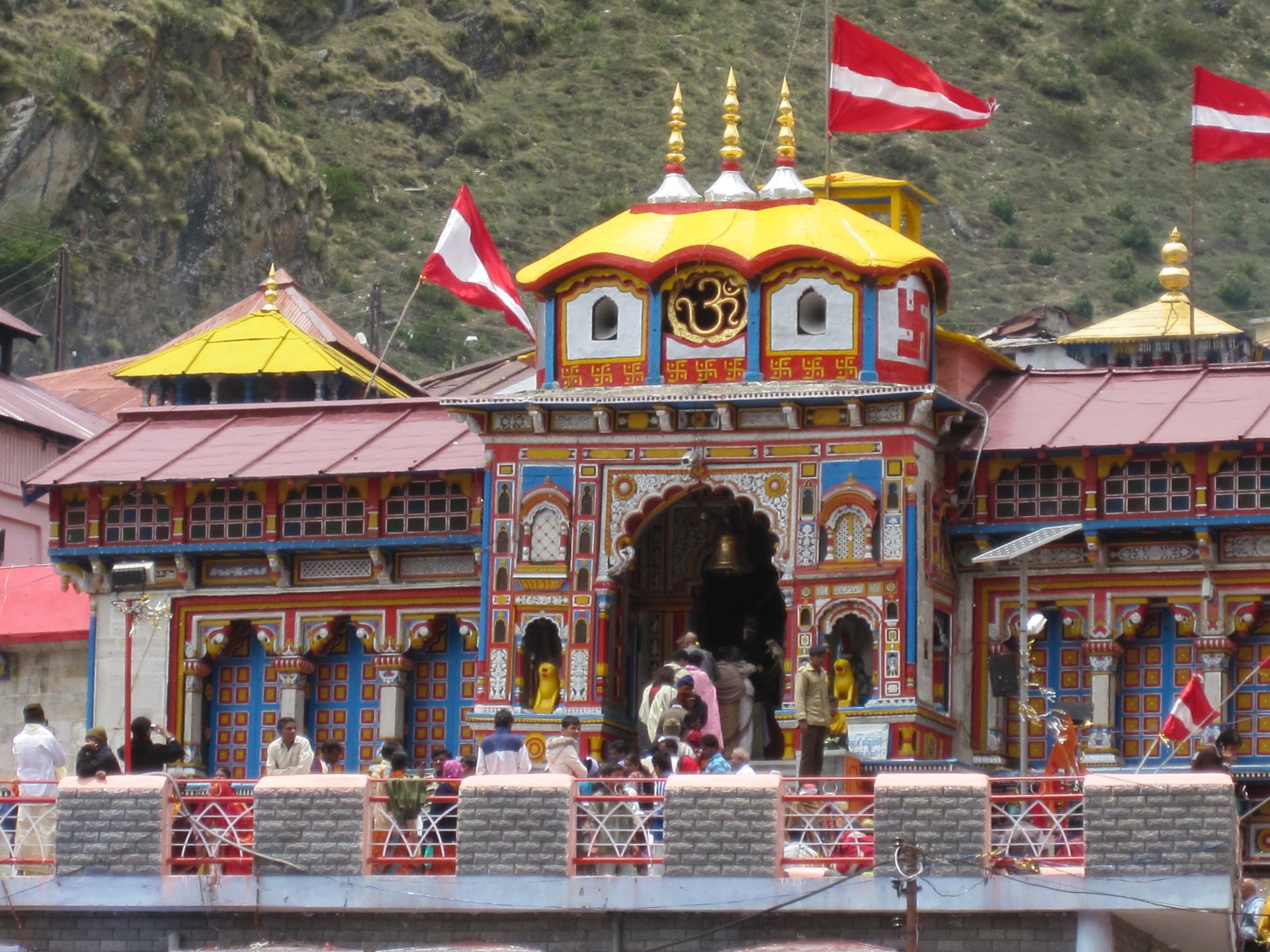
About Char Dham Health & Medical Advisory: Altitude & Fitness Guide
Important health tips and official medical guidelines for Char Dham pilgrims. Learn about altitude acclimatization, breathing exercises, and fitness preparation.
Best Time to Visit: April to October
Top Attractions & Things to Do
- Acclimatization Stop Joshimath: Halting here helps your body adapt to high altitude before moving to Badrinath.
- Medical Checkpoints: Government-run health centers in Sonprayag and Gaurikund check heart rate and blood pressure.
- Breathing Exercises: Simple pranayama tips to build lung capacity before undertaking the trek.
How to Get Around & Transportation
- Government-certified private cabs or tempo travellers for road journeys.
- Helicopter services are available from Phata, Sersi, or Guptkashi.
- Ponies, palanquins (doli), and porters are available for Gaurikund-Kedarnath trek.
Best Neighborhoods to Stay
- Premium Tier: Best for Families, Luxury Seekers
- Standard Tier: Best for Couples, Budget Travelers
Recommended Itinerary
- Day 1: Arrival & Orientation — Check-in; Local market visit; Traditional welcome dinner
- Day 2: Main Excursion — Visit Acclimatization Stop Joshimath; Photography session; Cultural evening
- Day 3: Scenic Exploration — Explore Medical Checkpoints; Sightseeing Breathing Exercises; Souvenir shopping
Frequently Asked Questions
- Can asthma patients do Char Dham Yatra?
Asthma patients must consult their cardiologist/physician and carry inhalers and emergency oxygen. Road/helicopter routes are preferred over trekking. - What is High Altitude Pulmonary Edema (HAPE)?
A severe form of altitude sickness that can be fatal. If you experience shortness of breath, headache, or dizziness, immediately descend to a lower altitude.